
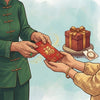
How Much Lai See Should You Give in Hong Kong?
, by Divya Chatani de Tourani, 1 min reading time
, by Divya Chatani de Tourani, 1 min reading time
Lai see amounts follow relationship-based norms rather than a fixed rule — here's a general guide by relationship, plus the amount-related customs (even numbers, avoiding 4) worth knowing.
There's no single fixed amount for lai see (利是) — the red packets given during Chinese New Year — but there are widely followed norms based on your relationship to the recipient. Here's a general guide.
These are general norms, not fixed rules — the actual amount within each range usually comes down to how close the relationship is.
The core rule: married individuals and elders give lai see to unmarried people and children, moving from "old to young" and "senior to junior." If you're unmarried, you're generally a recipient, not a giver — with the exception of small tokens to service staff, which anyone can give regardless of marital status. As HISTORY notes, the modern custom of giving money in red envelopes to children dates back to the early 20th century, and was originally thought to ward off evil spirits.
For the full picture — including exact 2026 dates and who to prioritize giving to first — see our complete Lai See Etiquette guide, our Hong Kong Gifting Guide, or browse our Chinese New Year collection for gifts to pair with your red packets.